Hotel room image: JIP, Wikimedia Commons, licensed under CC BY-SA 3.0. Understanding the German Hotel Market Before You Book Germany offers one of Europe's most diverse accommodation environments, with everything from efficient city hotels and design properties to countryside resorts, historic establishments, family-oriented accommodation and business-focused properties. The right hotel is rarely determined by star rating alone. Location, room configuration, transportation access, service style, included facilities and the purpose of the journey can have an equally important influence on the overall experience. Travelers researching Hotels & Resorts in Germany can benefit from thinking about the trip as a complete experience rather than simply searching for the lowest available nightly rate. A hotel that is slightly farther from a major attraction may offer better space, quieter s...
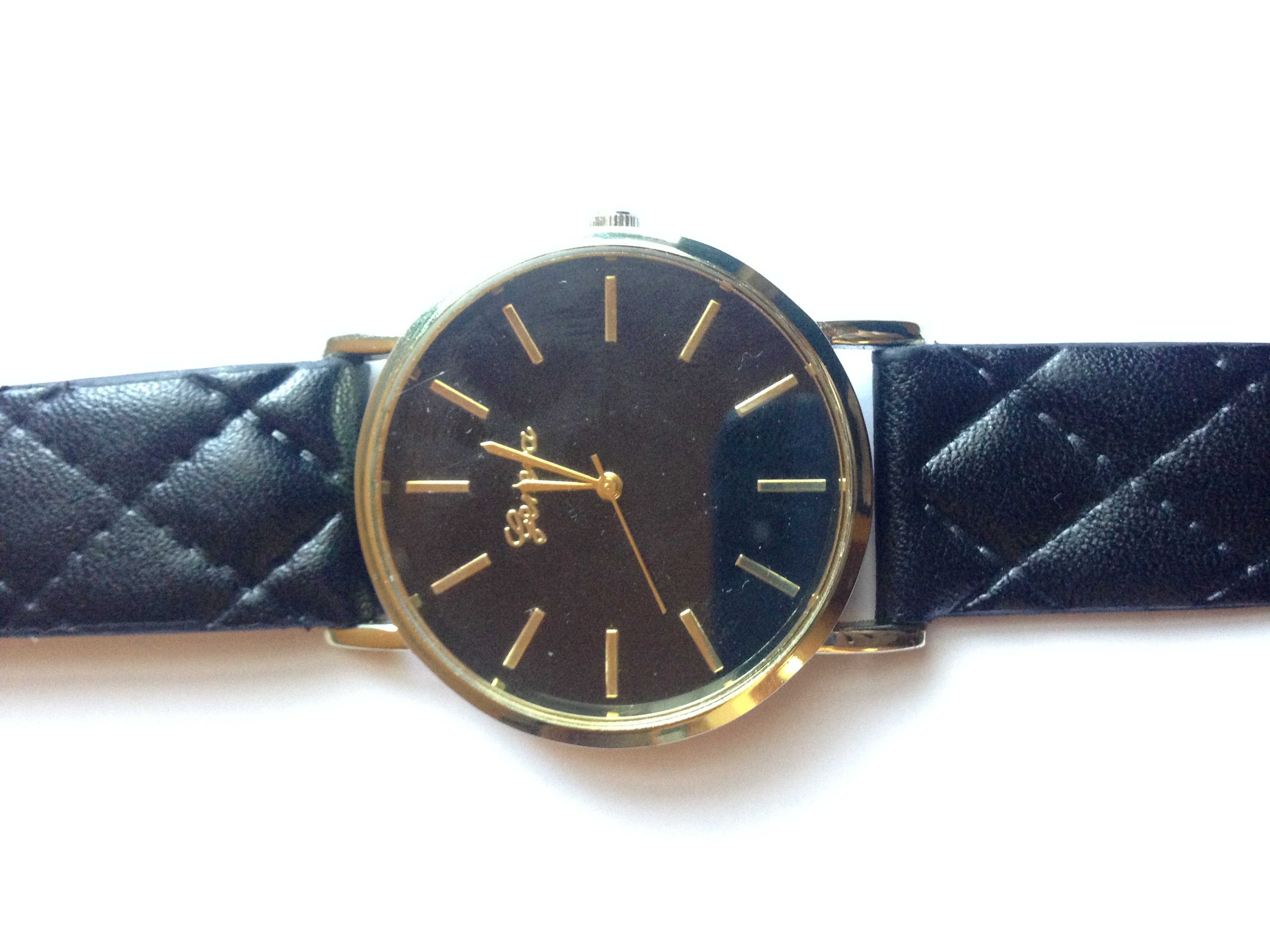
How to Choose a Timeless Analog Watch for Every Style, Occasion, and Daily Routine
Choosing an analog watch is not simply a matter of selecting a dial that looks attractive in a photograph. A professional purchase begins with understanding how the watch will be used, what clothing it needs to complement, how it should feel on the wrist, and which visual details matter over time. An analog watch can be a practical timekeeping instrument and a carefully selected style accessory at the same time. The strongest designs make these roles work together without allowing one to interfere with the other.
The modern watch market includes traditional analog models, minimalist designs, formal dress watches, versatile everyday watches, and collections organized around distinctive brand identities. Each category answers a different need. A buyer who understands those differences can narrow a large selection into a manageable set of meaningful choices. This guide examines design, comfort, proportions, materials, readability, versatility, and styling considerations that can make the buying process more precise.
Professional selection principle:
The most useful watch is not necessarily the one with the most features. It is the one whose design, comfort, readability, proportions, and intended purpose work together naturally.
Understanding the Modern Analog Watch
An analog watch has a visual language that remains remarkably recognizable. A dial, hour markers, hands, case, crown, crystal, and strap combine to create an object that can communicate time immediately while also functioning as a personal accessory. Unlike many digital devices, the analog watch does not need an application, notification screen, or additional interface to perform its primary function.
This simplicity is one reason traditional watches continue to attract buyers who value practical design. The wearer can glance at the wrist and understand the time without interacting with another device. At the same time, the watch can contribute to the overall appearance of an outfit through its proportions, colors, materials, and finishing.
A Classic Analog Watch remains relevant because its visual language is familiar and adaptable. Traditional hour markers, balanced hands, a proportionate case, and a restrained strap create a foundation that can move easily between professional and casual settings.
A classic design does not necessarily have to look old-fashioned. Contemporary manufacturing can combine traditional proportions with modern finishing, refined materials, updated typography, and improved construction. The result can preserve the character of an analog watch while still fitting naturally into a modern wardrobe.
Classic Design and Long-Term Style
Classic watch design is built around visual balance. The objective is rarely to make one individual element dominate the entire product. Instead, the case, dial, hands, indices, strap, and finishing should form a coherent composition.
This balance gives a classic watch its flexibility. A restrained dial can work with professional clothing, while the same watch can also complement smart casual outfits. Neutral colors can further expand the range of situations in which the watch feels appropriate.
The concept of timelessness is also connected to proportion. Certain proportions remain visually comfortable because they are neither excessively large nor unnecessarily complicated. This does not mean that every classic watch must have identical dimensions. Rather, the design should feel intentional.
Buyers who prefer traditional aesthetics should examine the relationship between the dial and case carefully. A dial that occupies too little or too much of the case can change the entire personality of the watch. Good proportions can make even a simple design appear highly refined.
Another advantage of classic styling is wardrobe compatibility. A traditional watch does not demand that the rest of the outfit follow a specific trend. Instead, it can act as a stable accessory that complements changing clothing choices.
The Growing Appeal of Minimalist Watches
Minimalist watches take a different approach to design. Instead of adding numerous visual elements, they focus on clarity and restraint. A clean dial, limited typography, carefully spaced markers, and a simple case can produce a sophisticated appearance without visual overload.
A Minimalist Analog Watch can be particularly suitable for buyers who prefer modern simplicity. The absence of unnecessary decoration allows the watch to work naturally with contemporary wardrobes, neutral colors, clean silhouettes, and professional clothing.
Minimalism also provides a practical advantage. When fewer elements compete for attention, the wearer can often identify the hour and minute hands more quickly. This can make the watch especially useful for people who prioritize quick readability.
A minimalist dial should not be confused with a lack of personality. Character can come from the shape of the hands, the typography, the case profile, the finishing, the color combination, or the relationship between the dial and strap.
Minimalist styling is also useful for buyers who want one accessory that can move across multiple environments. A clean watch can sit comfortably alongside formal clothing, business casual outfits, and relaxed weekend combinations.
Luxury Dress Watches and Refined Presentation
Formal watches require a different set of priorities. A Luxury Dress Watch is generally associated with controlled proportions, refined finishing, elegant dial organization, and a visual character intended to complement sophisticated clothing.
Dress-oriented designs usually work best when they support the outfit rather than dominate it. A formal watch does not need to be oversized or heavily decorated to create a polished appearance. In many cases, subtle finishing and carefully controlled proportions have a stronger effect.
Case thickness is particularly important in formal styling. A slimmer case can sit more comfortably beneath a shirt cuff and maintain a neat silhouette. A thicker case can provide greater visual presence, but it may require more careful coordination with clothing.
Strap selection is equally important. Leather can create a formal visual effect through its texture and traditional association with dress accessories. Color should also be considered as part of the complete outfit rather than as an isolated watch specification.
Formal watch selection benefits from restraint. The more structured the clothing, the more useful it can be for the watch to provide an organized visual finish instead of introducing unnecessary complexity.
Classic Dress Watches for Formal Occasions
A Classic Dress Watch occupies an appealing position between traditional elegance and practical versatility. It can be suitable for ceremonies, professional occasions, formal dinners, meetings, and other situations where a refined accessory is appropriate.
Classic dress designs often benefit from traditional dial proportions and familiar marker arrangements. Their visual strength comes from consistency rather than experimentation. This allows them to remain useful as clothing styles change.
The best way to evaluate a dress watch is to consider the entire composition. The dial should work with the hands, the hands should work with the markers, the case should work with the strap, and the overall scale should work with the wrist.
Color coordination also deserves attention. Neutral tones tend to provide greater flexibility, while distinctive dial colors can become a stronger part of the overall style. Neither approach is automatically better; the appropriate choice depends on the intended wardrobe.
Everyday Watches and Practical Versatility
A Casual Everyday Watch is designed around flexibility. Instead of focusing exclusively on formal elegance, the category emphasizes comfort, readable displays, adaptable styling, and suitability for repeated daily use.
Everyday watches are especially useful for people who prefer one dependable accessory rather than changing watches for every activity. A well-balanced model can move between work, travel, shopping, casual meetings, and relaxed social occasions.
Comfort becomes a central consideration in this category. Weight, case thickness, strap flexibility, buckle design, and adjustment options can all influence whether the watch remains comfortable after several hours.
A practical everyday watch should also be easy to read. Strong contrast between the hands and dial helps the wearer interpret the time quickly without having to study the display.
Exploring Watches Brands
Buyers comparing Watches Brands can benefit from looking at complete product collections rather than focusing only on individual names. Different manufacturers may have distinct approaches to case shape, dial layout, typography, strap design, finishing, and color.
Brand recognition can be one part of a purchasing decision, but it should not replace product-level evaluation. Two watches from different brands may have similar visual roles, while two models from the same brand may serve completely different purposes.
A professional comparison should therefore begin with the actual product. Examine the intended use, dimensions, materials, readability, strap, design language, and overall construction. The brand can then be considered as additional context.
Watch Specification and Function Guide
| Watch Category | Primary Function | Typical Design | Key Features | Common Use |
|---|---|---|---|---|
| Classic Analog Watch | Traditional time display | Balanced case and familiar dial | Clear markers, classic proportions, versatile appearance | Professional and everyday wear |
| Minimalist Analog Watch | Simple timekeeping | Clean dial with restrained details | Visual clarity, simple typography, modern styling | Modern professional and casual use |
| Luxury Dress Watch | Formal timekeeping and styling | Refined case and elegant dial | Polished finishing, formal proportions, refined strap | Formal events and tailored clothing |
| Classic Dress Watch | Elegant traditional timekeeping | Traditional dial and restrained case | Timeless styling, balanced details, formal versatility | Business and formal occasions |
| Casual Everyday Watch | Daily convenience | Comfort-oriented construction | Wearability, readability, adaptable styling | Daily activities and leisure |
| Branded Watch | Timekeeping with distinct design identity | Brand-specific visual language | Recognizable design, varied materials and styles | Collections, gifts, professional and casual use |
How Case Size Changes the Overall Appearance
Case diameter is one of the first measurements buyers notice, but it should never be considered in isolation. The perceived size of a watch is also influenced by lug length, case thickness, bezel width, dial opening, strap width, and the shape of the case.
A moderate diameter can appear larger when the dial occupies most of the case. A smaller dial surrounded by a wider bezel can create a more compact visual effect even when the external dimensions are similar.
Wrist proportions are equally important. The objective is to create a balanced relationship between the watch and the wrist. A watch that extends too far beyond the wrist can look oversized, while a very small watch can create a deliberately discreet appearance.
Personal preference should remain part of the decision. Some buyers enjoy substantial watches, while others prefer a lighter and more understated profile. The important point is to understand what the chosen dimensions communicate visually.
Case thickness is especially relevant when the watch will be worn with formal clothing. A slim profile can move easily beneath a cuff, while a thicker case may create a more noticeable presence.
Dial Design and Everyday Readability
The dial is the functional center of an analog watch. It should communicate the time clearly while supporting the overall visual character of the product.
Hour markers should have enough visual distinction to be recognized quickly. Thin markers can create elegance, while bolder markers can emphasize practicality. The choice should match the overall design language.
Hand design is equally important. Hour and minute hands should be easy to distinguish, especially when the watch uses a detailed dial. Different lengths, shapes, or finishes can create the hierarchy necessary for fast reading.
A second hand adds movement and can make the display feel more dynamic, but it should not interfere with the primary hour and minute indicators. Good dial design gives the most important information the clearest visual priority.
Date windows and other additional features can provide useful information, but each additional element changes the visual organization of the dial. Buyers should consider whether the added information genuinely improves the daily experience.
Materials and Their Influence on Style
Materials affect both appearance and wearing experience. The case provides the primary structural identity, while the strap contributes significantly to comfort and styling.
Metal cases can produce a polished, structured appearance. Different surface treatments can change how light interacts with the case. Highly polished surfaces reflect light strongly, while brushed surfaces create a more restrained effect.
Leather straps can introduce warmth and traditional character. They are especially compatible with dress-oriented designs, although leather can also work with casual watches depending on the texture and color.
Other strap materials can support relaxed or contemporary styling. The appropriate choice depends on the environment, expected wear, comfort preference, and desired appearance.
The relationship between materials is more important than any single material alone. A refined case paired with an unsuitable strap may feel visually disconnected, while a carefully coordinated combination can make a relatively simple watch appear highly considered.
Why Strap Selection Matters
A strap can change the character of the same watch dramatically. A refined leather strap may make a case appear more formal, while a different material can make the same case feel more relaxed and practical.
Strap width should generally correspond with case proportions. The connection should look stable and balanced rather than excessively narrow or broad.
Color is another important variable. Neutral colors usually offer greater wardrobe flexibility, while stronger colors can make the watch more visually distinctive.
Comfort should remain central. A strap that looks attractive but feels stiff or uncomfortable may reduce the frequency with which the watch is worn.
Buyers should also consider adjustment. A secure fit that allows small changes can make the watch more comfortable across different conditions and daily activities.
Professional Watches and Wardrobe Coordination
Professional clothing generally benefits from accessories that support an organized appearance. A balanced analog watch can complement tailored shirts, jackets, trousers, and smart casual clothing without becoming visually distracting.
Minimalist watches are particularly adaptable because they contain fewer competing elements. Their clean appearance can work well with clothing that already includes patterns, textures, or structured silhouettes.
Classic watches offer a different type of flexibility. Their traditional visual language can reinforce a professional wardrobe without requiring exact matching with every accessory.
Formal watches can add refinement to tailored clothing. Their role is usually supportive rather than dominant, which is why proportion and restraint are particularly important.
When coordinating a watch with an outfit, exact color matching is not always necessary. A better approach is to consider overall visual harmony between the watch, clothing, footwear, and other accessories.
Casual Styling With an Analog Watch
Casual clothing creates greater freedom. An everyday analog watch can complement denim, chinos, polos, shirts, sweaters, jackets, and other relaxed combinations.
The most versatile casual designs tend to avoid extreme proportions. A balanced case can remain appropriate when the outfit changes from relaxed daytime clothing to a more polished evening combination.
A minimalist watch can provide a particularly clean effect with contemporary casual clothing. A classic design can add a more traditional character.
Strap choice can further refine the look. The same watch can appear noticeably different when paired with a different strap material or color.
This flexibility is valuable for buyers who want to reduce the number of accessories required to support a broad wardrobe.
Comfort as a Core Buying Requirement
Appearance may attract the buyer initially, but comfort determines whether the watch becomes part of a regular routine. Weight, thickness, case shape, strap flexibility, and buckle design all influence the wearing experience.
A watch should sit securely without feeling unnecessarily tight. Excessive movement can become distracting, while a very tight fit can reduce comfort over time.
The crown and case edges should also be considered. Their position can affect how naturally the watch sits against the wrist, particularly during movement.
Buyers who expect to wear a watch throughout the day should pay particular attention to these details rather than focusing only on photographs.
Building a Practical Watch Collection
A watch collection becomes more useful when every piece has a clear purpose. Instead of buying several watches with nearly identical designs, buyers can create variety through different roles.
A classic model can serve as a reliable foundation. A minimalist watch can provide a cleaner modern alternative. A dress watch can handle formal occasions, while an everyday watch can serve repeated daily routines.
Another approach is to vary straps, dial colors, and case finishes. These differences can create substantially different visual results without requiring an extremely large collection.
The objective is practical variety. A smaller collection of watches with clearly different purposes can be more useful than a large group of pieces that all perform the same role.
Buyers exploring Watches Brands can organize potential purchases according to these roles and compare which designs fill an actual need.
How to Compare Watch Designs Professionally
A professional comparison should begin by defining the intended use. A dress watch should not be evaluated using exactly the same criteria as an everyday watch because the two categories have different priorities.
The next step is to compare proportions. Look at case diameter, case thickness, lug length, dial opening, and strap width as a complete system.
Readability should then be examined. Ask whether the hands are immediately distinguishable, whether the markers are clear, and whether the dial remains understandable without excessive concentration.
Comfort follows naturally. Consider whether the case sits securely and whether the strap appears appropriate for extended wear.
Finally, evaluate versatility. Imagine the watch with several different outfits and in several different environments. This helps distinguish a specialized design from a genuinely adaptable one.
Key Features That Deserve Attention
Case Proportion
The case should have a balanced relationship with the wrist, dial, lugs, and strap. Proportion is often more important than a single measurement.
Dial Clarity
Clear hands, readable markers, sensible spacing, and appropriate contrast make everyday time reading easier.
Comfort
Weight, thickness, strap flexibility, case shape, and adjustment options influence how naturally the watch can be worn.
Material Harmony
The case, strap, finishing, and dial should work together visually rather than appearing like unrelated components.
Versatility
A versatile watch can complement several outfits and environments without requiring extensive styling changes.
Personal Character
Distinctive details can give the watch personality while maintaining the balance and readability expected from a well-designed accessory.
Classic Versus Minimalist Design
Classic and minimalist watches can share certain characteristics, but their design philosophies remain different. Classic designs usually draw inspiration from established watchmaking conventions and traditional proportions.
Minimalist designs intentionally reduce the number of visual elements. Their objective is often to create a highly organized dial where the essential information remains immediately accessible.
A classic model may include traditional marker shapes, decorative details, or familiar case features. A minimalist model may use simple lines, open space, restrained typography, and a smaller number of visual components.
Buyers can explore a Classic Analog Watch when they prefer traditional character, while a Minimalist Analog Watch can provide a cleaner contemporary direction.
Dress Watch Versus Everyday Watch
Dress watches generally prioritize elegance, restrained proportions, and formal compatibility. Everyday watches emphasize comfort, adaptability, and repeated use.
This distinction can be visible in the strap, case thickness, dial organization, and overall visual presence. A dress-oriented watch often benefits from a slimmer profile, while an everyday model can allow greater flexibility.
Buyers who regularly attend formal events may appreciate the focused character of a dress design. Buyers who want one watch for a wide range of situations may prefer an adaptable everyday model.
The Luxury Dress Watch category emphasizes refinement, while a Casual Everyday Watch focuses on practical versatility.
How Dial Color Influences Versatility
Dial color can influence the overall personality of a watch more strongly than many buyers expect. Neutral colors generally provide a broad foundation because they can work with many clothing palettes.
Dark dials can create a more pronounced and sophisticated appearance, while lighter dials can emphasize readability and traditional styling. Metallic details can add dimension without necessarily making the design complicated.
The choice should also reflect the intended role. A formal watch may benefit from restrained colors, while an everyday watch can offer greater freedom for distinctive combinations.
Buyers should avoid evaluating dial color independently from strap color. The two components should support each other and create a coherent overall composition.
Why Simplicity Can Look Premium
Premium visual quality does not require a complicated dial. In many cases, sophistication comes from controlled proportions, consistent finishing, accurate spacing, and carefully selected details.
A simple dial gives the viewer more opportunity to notice the quality of each individual element. The hands, indices, typography, case edges, and strap become easier to appreciate when the design is not crowded.
This principle applies to both classic and minimalist watches. Traditional design can remain refined through proportion, while contemporary design can achieve sophistication through restraint.
A Classic Dress Watch can demonstrate this principle particularly well because formal styling often depends on visual balance rather than excessive decoration.
Choosing a Watch for Professional Settings
Professional environments often reward accessories that appear intentional without becoming distracting. A balanced analog watch can provide a polished finishing touch while maintaining a discreet profile.
Moderate case dimensions can be especially practical for office clothing because they tend to work comfortably with sleeves and jackets.
Dial readability also matters in professional environments. The ability to read the time quickly can be useful when moving between meetings or activities.
A neutral color combination generally provides more styling opportunities, especially for wardrobes that include several different shirt and jacket colors.
A Minimalist Analog Watch can complement professional clothing particularly well when the goal is a clean and organized appearance.
Choosing a Watch for Formal Events
Formal events place additional emphasis on proportion and refinement. The watch should complement the clothing and accessories rather than introduce an unrelated visual language.
Slim profiles can work naturally with formal sleeves. Restrained dials can also create an elegant appearance because they maintain visual clarity.
Strap material and color should be considered alongside shoes, belt, and other accessories. Exact matching is not mandatory, but visual harmony can make the overall outfit feel more deliberate.
A Luxury Dress Watch can be considered when the intended role emphasizes refined formal presentation.
Choosing a Watch for Daily Activities
Daily use creates a different set of priorities. The watch should remain comfortable, readable, and easy to coordinate with different clothing choices.
A versatile strap can be valuable because it reduces the need to constantly adjust the overall styling. Neutral colors can also help the watch transition between work and leisure.
Everyday watches should be selected with real routines in mind. Consider commuting, office hours, shopping, travel, social activities, and other common situations.
A Casual Everyday Watch can provide a practical foundation when flexibility is more important than formal specialization.
Buying a Watch as a Gift
Watches can be meaningful gifts because they combine usefulness and personal style. However, choosing a watch for someone else requires attention to their wardrobe, preferences, and typical activities.
When the recipient's style is uncertain, moderate proportions and neutral colors can make the selection easier to integrate into an existing wardrobe.
When the recipient prefers clean and contemporary clothing, minimalist styling can be considered. When their wardrobe includes tailored clothing, a classic or dress-oriented design may be more appropriate.
Buyers can also explore Watches Brands to compare different design languages before selecting a gift.
Long-Term Value of Timeless Design
Trends can provide inspiration, but timeless design can be especially valuable for buyers who expect to wear a watch for an extended period. Balanced proportions, readable dials, and adaptable styling tend to remain useful as clothing trends change.
A watch that depends entirely on one temporary visual trend may eventually feel less compatible with the owner's wardrobe. A more restrained design can offer greater freedom over time.
This does not mean contemporary watches should be avoided. Modern details can add personality and freshness. The key is to understand whether the design remains coherent beyond the immediate trend.
Buyers interested in traditional long-term styling can examine a Classic Analog Watch as a starting point for a versatile wardrobe.
Maintenance and Responsible Daily Care
Regular care can help preserve the appearance of a watch. The exact maintenance routine should follow the manufacturer's recommendations because materials and construction can differ.
The case and strap should be kept clean using methods appropriate for their materials. Leather, metal, and other strap types can respond differently to moisture, friction, and cleaning products.
Storage also matters. When the watch is not being worn, keeping it in a clean and protected environment can reduce unnecessary exposure to dust, scratches, and accidental impacts.
Daily care does not need to be complicated. Consistency is generally more useful than occasional intensive cleaning.
A Professional Five-Step Selection Method
1
Define the Purpose
Decide whether the watch is primarily for professional work, formal occasions, everyday activities, casual wear, or a combination of these situations.
2
Choose the Design Language
Identify whether classic, minimalist, dress, casual, or contemporary styling best matches the intended wardrobe.
3
Check Proportions
Compare diameter, thickness, lug length, dial opening, and strap width as a complete visual system.
4
Evaluate Comfort
Consider weight, strap flexibility, case shape, adjustment, and how the watch is likely to feel after several hours.
5
Review Versatility
Imagine the watch with multiple outfits and environments before making the final purchase decision.
6
Compare the Collection
Once the essential requirements are clear, compare individual products and brand collections using the same criteria.
Frequently Asked Questions
What makes an analog watch versatile?
Versatility usually comes from balanced proportions, readable dials, neutral or adaptable colors, comfortable dimensions, and a design that works across several clothing styles.
Explore Classic Analog WatchWhat is the main appeal of minimalist watch design?
Minimalist designs focus on clarity and restraint. They reduce unnecessary visual elements so the dial remains clean, readable, and easy to coordinate with modern clothing.
Explore Minimalist Analog WatchWhen is a dress watch a practical choice?
A dress watch is especially useful when the intended wardrobe includes tailored clothing, formal events, professional occasions, ceremonies, or other settings where refined styling is appropriate.
Explore Luxury Dress WatchWhat distinguishes a classic dress watch?
Classic dress watches generally use traditional proportions, restrained dials, elegant cases, and styling intended to remain appropriate across changing fashion preferences.
Explore Classic Dress WatchWhat should I look for in an everyday watch?
Focus on comfort, readability, adaptable styling, practical proportions, and a strap that feels suitable for extended daily wear.
Explore Casual Everyday WatchHow can I compare different watch brands?
Compare individual products according to purpose, case dimensions, materials, dial design, comfort, styling, and intended use rather than relying only on brand recognition.
Explore Watches BrandsIs a larger watch always more noticeable or useful?
A larger case can create stronger wrist presence, but size does not automatically determine usefulness. Wrist proportions, clothing, comfort, and personal preference are equally important.
View Classic Watch StylesCan a minimalist watch work with formal clothing?
Yes. A clean dial, moderate case size, restrained finishing, and an appropriate strap can make minimalist styling highly compatible with formal and professional clothing.
View Minimalist Watch StylesMaking a More Informed Watch Purchase
A confident purchase starts with a clear understanding of personal requirements. Before selecting a model, determine where the watch will be worn, what clothing it needs to complement, and which characteristics matter most.
Buyers should also consider how frequently the watch will be worn. A watch used every day should prioritize comfort and versatility, while a watch reserved for special occasions can focus more heavily on formal elegance.
Comparing several designs side by side can reveal differences that are difficult to notice when viewing each watch independently. Pay attention to dial readability, case proportions, strap width, finishing, and the relationship between components.
It is also useful to compare watches according to their intended role. A formal watch should be judged in the context of formal clothing, while an everyday model should be evaluated according to comfort and adaptability.
Why Proportion Matters More Than Decoration
Decoration can attract attention, but proportion determines how the watch actually feels as a complete object. The relationship between the case and dial, dial and hands, case and strap, and watch and wrist creates the foundation of visual quality.
This is why relatively simple watches can appear highly sophisticated. When each element is carefully sized and positioned, the design communicates order and intention.
Buyers should therefore resist evaluating a watch based on one striking detail. A beautiful dial cannot compensate for an uncomfortable fit, and an impressive case cannot compensate for poor readability.
Creating a Cohesive Personal Style
A watch becomes most useful when it feels natural within the owner's existing wardrobe. The objective is not to force the entire outfit to adapt to the accessory, but to select an accessory that supports the style already being developed.
Buyers who prefer understated clothing may naturally gravitate toward minimalist or classic designs. Those who enjoy traditional tailoring may prefer dress-oriented watches. People with relaxed wardrobes may prioritize everyday versatility.
Personal style can also evolve. A watch that initially seems specialized may eventually become a favorite because it works particularly well with a certain category of clothing.
The Importance of Real-World Use
Product photography is useful, but real-world use reveals characteristics that photographs cannot fully communicate. Comfort after several hours, the ease of reading the dial, and the way the case interacts with clothing can all influence satisfaction.
This is why buyers should think beyond the initial visual impression. Imagine the watch during an ordinary weekday, during travel, at a formal event, and during relaxed activities.
If the design continues to make sense across these situations, it may provide strong practical flexibility.
Building a Balanced Watch Wardrobe
A balanced watch wardrobe does not need to contain a large number of pieces. The key is to ensure that different watches perform different roles.
A classic model can provide a dependable foundation. A minimalist watch can introduce modern simplicity. A dress watch can serve formal occasions, while an everyday watch can handle frequent use.
The collection can then be expanded according to actual experience. If the wearer discovers a preference for smaller cases, different strap materials, or specific dial colors, future purchases can be selected accordingly.
This approach keeps the collection purposeful and reduces unnecessary duplication.
Final Practical Checklist for Selecting an Analog Watch
Purpose: Identify the environments where the watch will be worn most often.
Style: Choose between classic, minimalist, dress, casual, or another clearly defined design direction.
Size: Consider diameter, thickness, lug length, and wrist proportion together.
Readability: Make sure the hands and markers can be recognized quickly.
Comfort: Consider weight, strap flexibility, case shape, and adjustment.
Materials: Choose materials that suit both the intended appearance and daily routine.
Versatility: Consider how naturally the watch works with different outfits.
Long-term appeal: Evaluate whether the design is likely to remain compatible with your wardrobe over time.
A well-selected analog watch can become one of the most useful accessories in a modern wardrobe because it combines practical timekeeping with visual identity. Classic designs provide familiarity and flexibility, minimalist watches emphasize clarity, dress watches add formal refinement, and everyday models prioritize comfort and adaptability.
The professional approach is to evaluate the complete product rather than focusing on one specification. Case size, dial readability, strap material, comfort, finishing, color, and intended use all contribute to the final experience.
When these factors are considered together, the buying process becomes more structured and less dependent on impulse. The result is a watch that does not simply look attractive when viewed alone, but also works naturally with the owner's daily routine, wardrobe, and personal sense of style.
Comments
Post a Comment